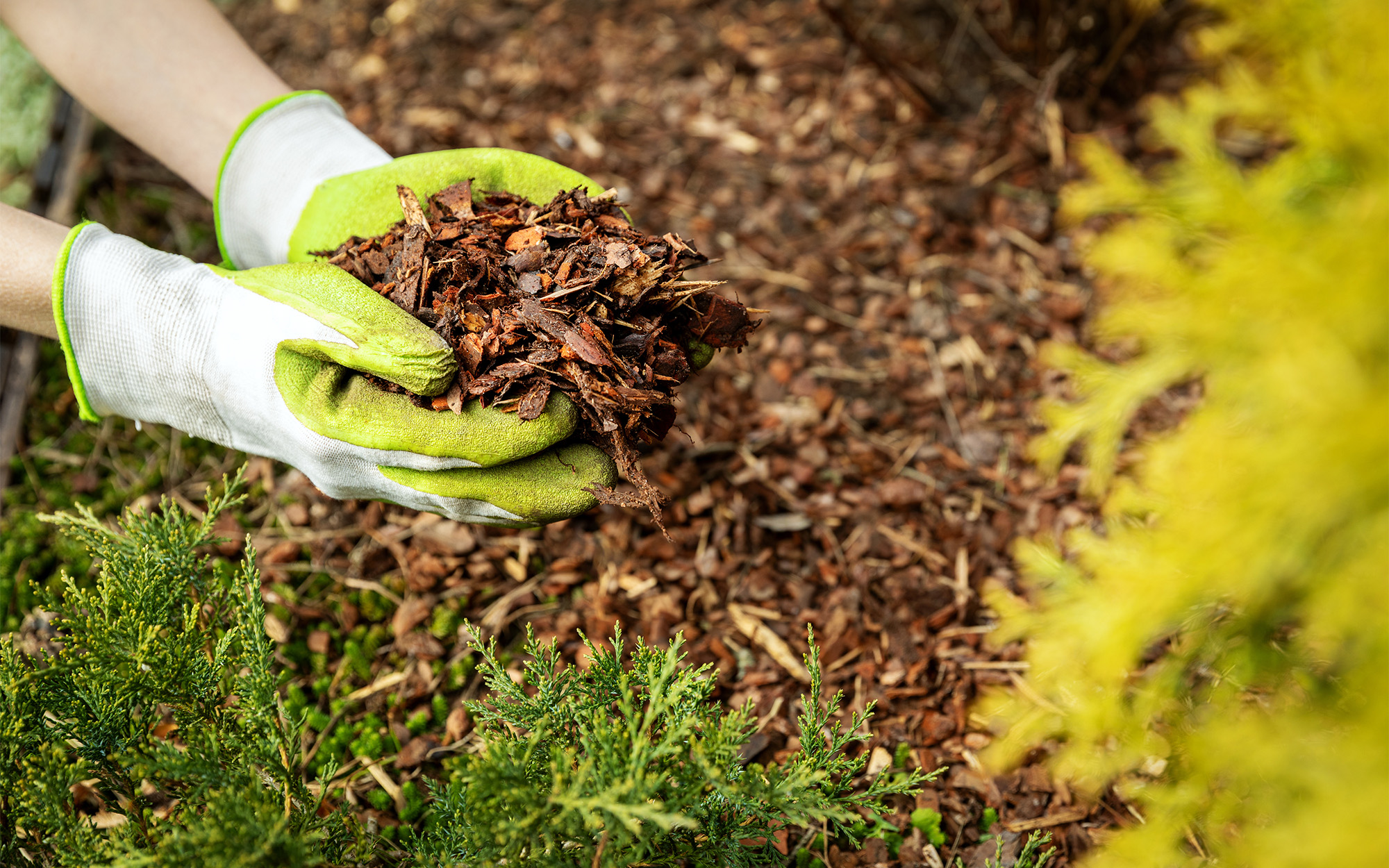
St. Louis winters don’t exit cleanly. A stretch of 65-degree days in late February or early March can make mulching feel overdue, but that warmth is almost always temporary. Soil temperatures several inches down are still cold, and the frost events that follow those warm spells can linger well into April. Mulching during these early windows locks cold into the soil and delays the natural warming that perennials and shrubs need to break dormancy correctly.
Getting when to mulch right means reading soil conditions, not the calendar. This is one of the most common corrections M&P Landscaping’s crews make at the start of each season. Beds mulched too early, whether by homeowners reacting to a warm week or crews working off a spring schedule instead of ground conditions, often need to be scraped back and re-laid once temperatures stabilize. That process adds cost, disrupts root zones, and typically sets those beds back by several weeks compared to beds that were timed correctly.
The opposite problem is just as costly. By May or June, weed seeds have already germinated and established in the soil. Knowing when to put mulch down means understanding that once weeds are up, fresh mulch becomes a blanket over the problem rather than a barrier against it. Building bed work into your spring seasonal cleanup each April is the most practical way to protect that timing window before it closes.